
Why consistency beats motivation every time (and our tips on building an exercise habit that sticks!)
"I just need to find some motivation." It's something we hear all the time, maybe you've said it yourself. You start the year full of enthusiasm - buy the new kit, perhaps book a few events, sign up for a class convinced that this time you'll stick with it. (Confession, I have done this with swimming more than once!)
Then life happens, work gets busy, family calls, you go on holiday. Maybe you catch a cold, pick up a niggle that needs rest and the weather turns. Before you know it, weeks have passed and you're left feeling like you've failed. Well in our opinion, you haven't. In fact, you've just experienced something completely normal.
At Runlates Shrewsbury, we work with people of all ages and abilities who simply want to move well and keep doing the things they love. And one of the biggest things I've learnt over the years is that people don't succeed because they're more motivated than everyone else. They succeed because they've built habits that work alongside real life - not against it. Whether your goal is to run your first 5K, keep up with your grandchildren, stay strong as you get older or simply enjoy moving without aches and pains, consistency will always beat motivation. Every single time.

Why motivation comes... and goes
Motivation is a wonderful thing, and we've all felt that initial rush watching something inspirational (London Marathon anyone?) and wondering if that could be you. Maybe we get as far as some online shopping, event research or even making a plan.
The problem is, it's often also horribly unreliable. Some days you'll wake up full of energy, ready to tackle a run before breakfast and a Pilates class in the evening. Other days you'll barely have the enthusiasm to unload the dishwasher. That's being human.
Motivation is driven by emotion, it changes depending on how well you've slept, how stressful work has been, the weather outside and even what sort of day you've had.
Habits are different - they don't rely on excitement, they rely on routine. Think about brushing your teeth for example, you probably don't leap out of bed every morning thinking, "I can't wait to clean my teeth!" You simply do it because it's part of your day.
Exercise works in much the same way.
The people who stay active for years aren't necessarily the most disciplined or the fittest. They've simply found ways to make movement a regular part of their lives. And we think the magic happens when you find a habit that includes spending time with other lovely people who are doing the exact same thing!

Why many exercise routines fail
...and usually it's NOT because people aren't trying hard enough. They fail because they're often designed for perfect lives and fixed schedules that don't include:
Holidays (which are important!)
School holidays
Busy periods at work
Caring for family
Illness
Unexpected appointments
Weekends away
The odd day where the bed or sofa simply wins (it happens to us all!)
And prioritising the above, or listening to how your body is feeling is important - not a failure - which can be how it feels.
One missed class or run doesn't undo months of progress, one week off doesn't mean you've "fallen off the wagon". In fact, learning how to return after interruptions is one of the most valuable skills you can develop - resilience! Progress isn't about never missing a session, it's about finding creative ways to keep the ball rolling (even if that's slowly!) and then coming back again, and again when you can.
Which leads us nicely onto...
What consistency actually looks like
Consistency doesn't have to mean 'exercising' every day, and in fact, I'd quite often argue it shouldn't. Swap out exercising for 'moving' though and instantly that feels more achievable to find a rhythm that's realistic and enjoyable.
For some people that might look like:
One Pilates class every week
A daily walk with the dog
Two strength sessions each week
Three runs spread across the week
A gentle stretch while the kettle boils
None of those things are extraordinary on their own but together, over weeks, months and years, they become incredibly powerful. And many find that not only do they start to feel the physical benefits, but also the social ones from meeting others in classes, sessions or even on their dog walks (I've met many a future client by Shrewsbury's River Severn!)
The biggest improvements I've seen haven't come from people who trained the hardest, they've come from people who quietly kept showing up. They celebrated the small wins (an unassisted roll up!). They accepted the occasional setback, and they carried on.

How a flexible approach helps people stay active
One thing I've learnt through coaching is that life rarely fits neatly into a calendar month.
You might be away for two weeks in the summer, work may suddenly become hectic and family commitments can pop up without warning. That doesn't mean you've stopped caring about your health, or even that you're not prioritising yourself - sometimes you physically can't! It simply means you're living your life and reacting to the things it's throwing your way.
That's why I believe any exercise routine should work with your lifestyle rather than asking your lifestyle to fit around it.
At Runlates Shrewsbury, we've tried to build everything around that philosophy - the aim isn't perfection it's flexibility to make it easier to keep moving even when life throws the occasional curveball.
How Pilates can help you stay consistent
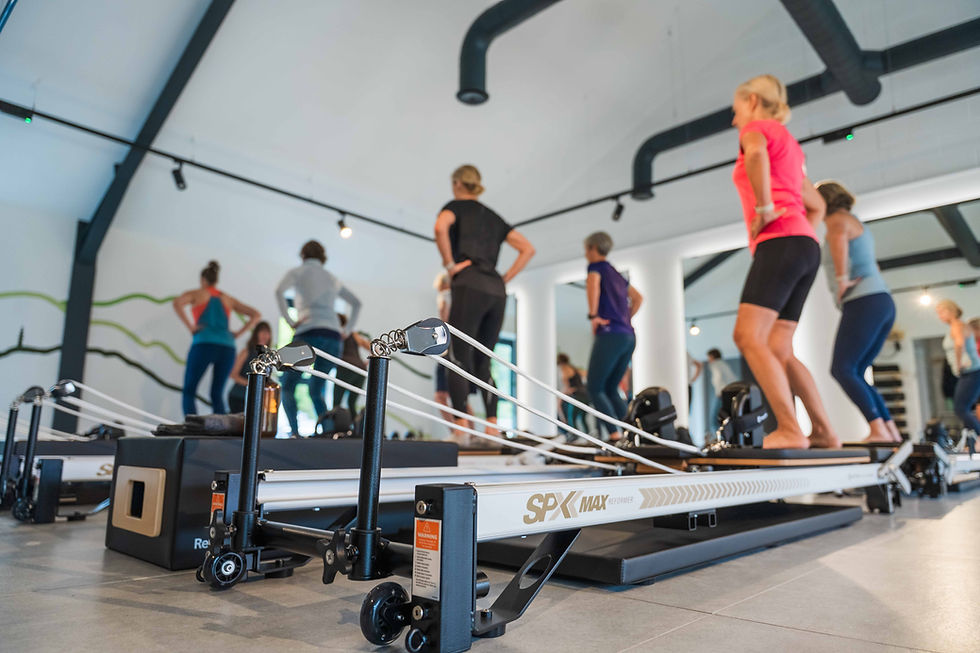
One of the things I love most about Pilates is that it's accessible to everyone. You don't have to be flexible, an athlete, have years or experience or a garage full of equipment and it's never too late to start! Beginners are always welcome.
Pilates develops strength, balance, mobility and body awareness in a way that supports everyday life - so you suddenly find yourself performing 'exercises' whilst doing many other things. Reaching for something in a cupboard or on the floor, getting out of bed and also being more aware of how you're moving when playing sport or strength training.
Many of our clients tell us they notice the difference long before they physically 'see' it:
Getting up from the floor feels easier.
Walking hills becomes more comfortable.
Running feels smoother and recoveries are shorter.
Their back aches less after a day at the desk.
Those little improvements make people want to keep coming back, and that's exactly where consistency starts!
...and how running fits in
We all know running is a brilliant way to improve fitness, clear your head and challenge yourself. But it's important to understand that the runners who stay healthy (and keep running!) over the long term usually have something else in common. They recover well, they work on their strength and mobility and they listen to their bodies.
That's why Pilates, strength work and running complement each other so well - each one supports the others, and once again they are all more enjoyable to do when surrounded by others doing the same! So rather than seeing them as separate activities, think of them as different pieces of the same jigsaw.
Frequently Asked Questions
How often should I do Pilates?
For most people, one or two Pilates sessions each week is enough to build strength, improve mobility and support long-term progress. The key isn't doing lots all at once - it's finding a routine you can maintain consistently.
Can I improve my running with one Pilates class each week?
Yes! Even one weekly Pilates class can improve core strength, balance, mobility and movement control, all of which support more efficient running. Combined with regular running, it can make a noticeable difference over time. Find out more about the benefits of Pilates for Runners in our blog post here.
What if I miss classes?
Life happens. Holidays, work, illness and family commitments affect everyone. Missing a class doesn't erase your progress. Simply pick up where you left off and keep moving forward.
Is consistency more important than intensity?
In almost every case, yes. Regular movement over months and years delivers greater long-term benefits than short bursts of intense exercise followed by long periods of inactivity.
How do I get back into exercise after a break?
Start small and realistic - be kind to yourself! Choose something enjoyable and focus on rebuilding the habit rather than trying to make up for lost time. Remember, every active person has had to start again at some point and your body remembers - it often comes back quicker than you expect!
Final thoughts
If there's one thing I'd love you to take away, it's this - find a way to move that brings you some joy and prioritise it in your week. It might be a run, it might be Pilates, it might be a brisk walk - but the more your body and brain feel the benefits the easier you'll find it to find time to do it!
Don't wait for the perfect time and be prepared to have to be flexible and creative sometimes to fit it in. Movement isn't about being perfect, it's about giving yourself the best chance to keep doing all the things you love for years and years to come!
Keep moving.
Whether your next step is a walk around the block, your first Pilates class or training for your next race, I hope this article has encouraged you to find a way to move that works for you. Movement should fit around your life, not the other way round, and should be something you enjoy and look forward to rather than feeling like a chore!
If you think we might be able to help you get started, we'd love to welcome you to the Runlates community. Get in touch for a chat to tell us what you'd like to achieve!
Vic
Founder, Runlates
Published: August 2026
About the author
Victoria Gidney is the founder of Runlates in Shrewsbury. As a Pilates instructor and certified running technique coach, her focus is on improving mobility, building strength and helping people stay active so they can continue doing the things they love.


Comments